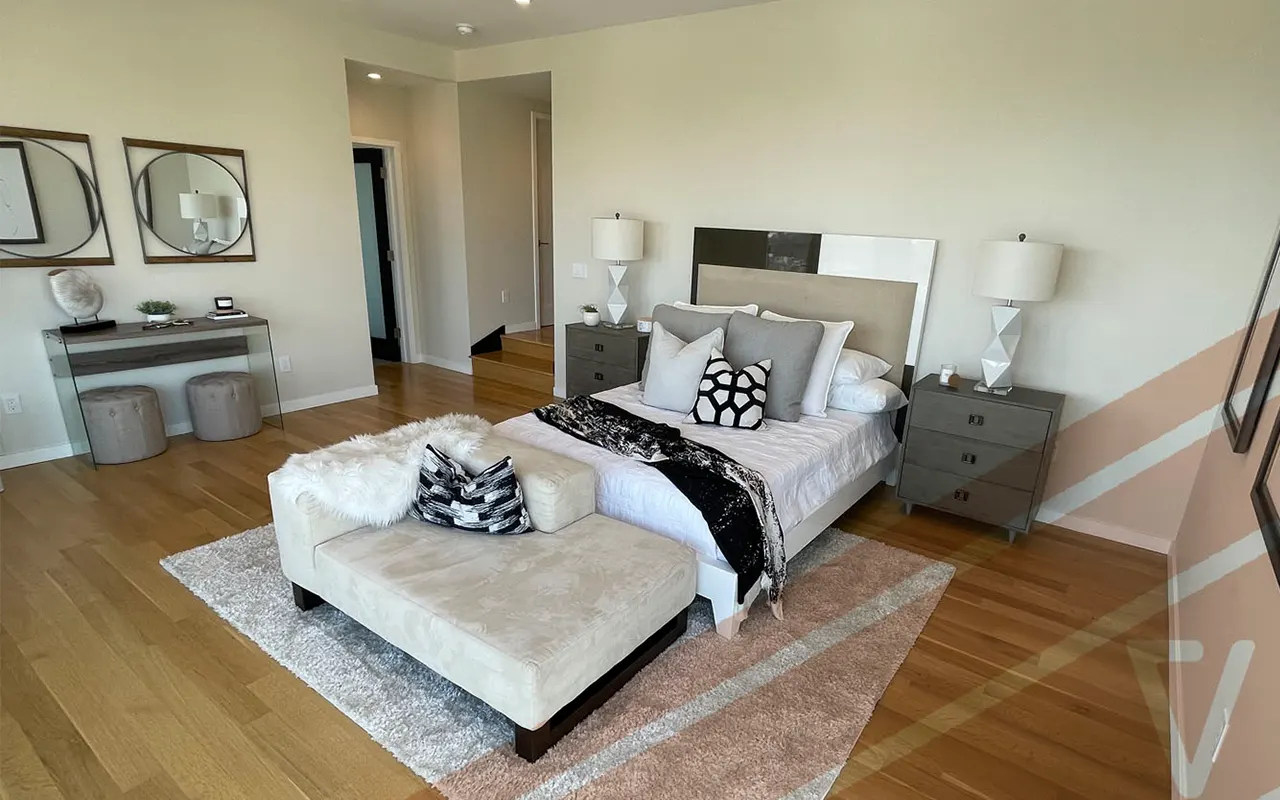

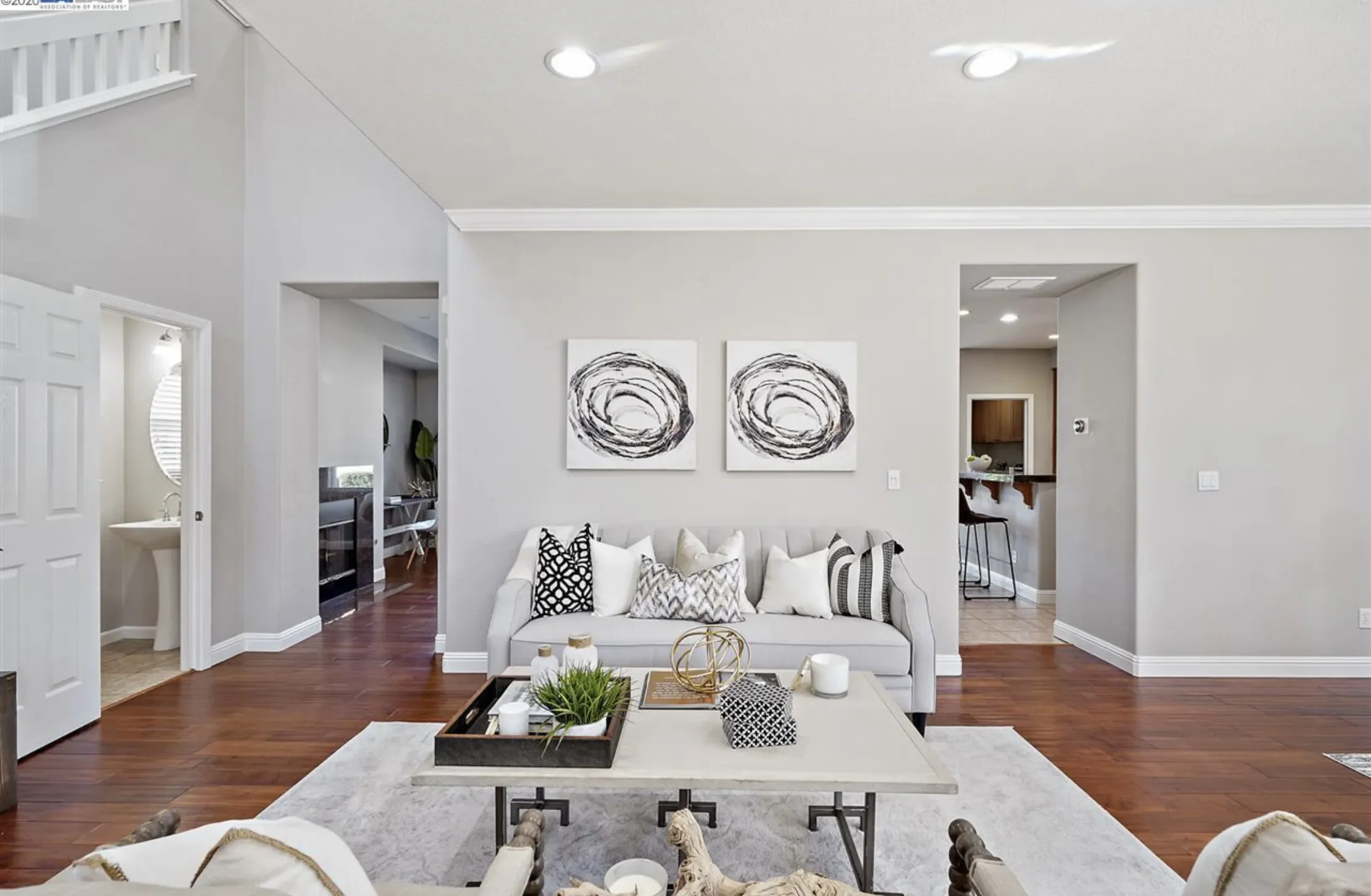
An expensive home can lose its sense of value long before a buyer questions the asking price. The architecture may be strong, the finishes considered and the address desirable, yet the rooms can still feel curiously flat. Nothing is wrong enough to be distracting, but nothing feels especially memorable either. In many cases, the problem is not the home itself. It is the way the property has been presented.
The best luxury home staging does not try to prove that a home is expensive by filling it with visibly expensive things. Instead, it makes the property’s scale, light, architecture and proportions easier to understand. When those qualities are obscured, even a beautifully finished house can begin to resemble every other listing a buyer has already seen.
The Beige Problem
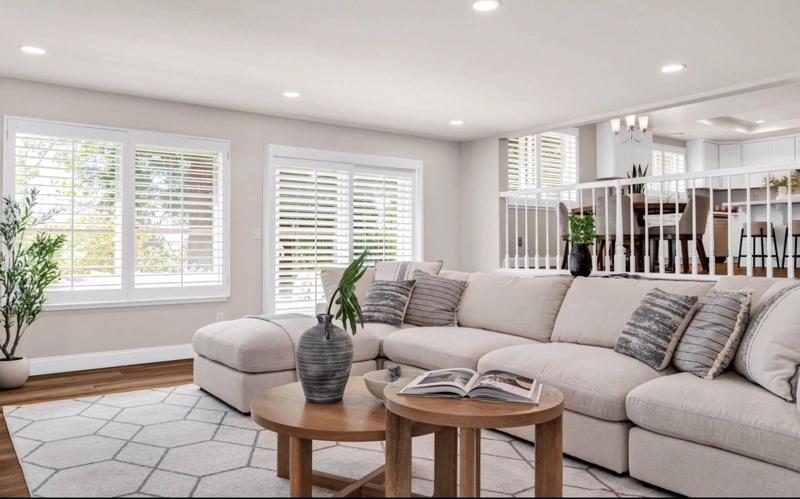
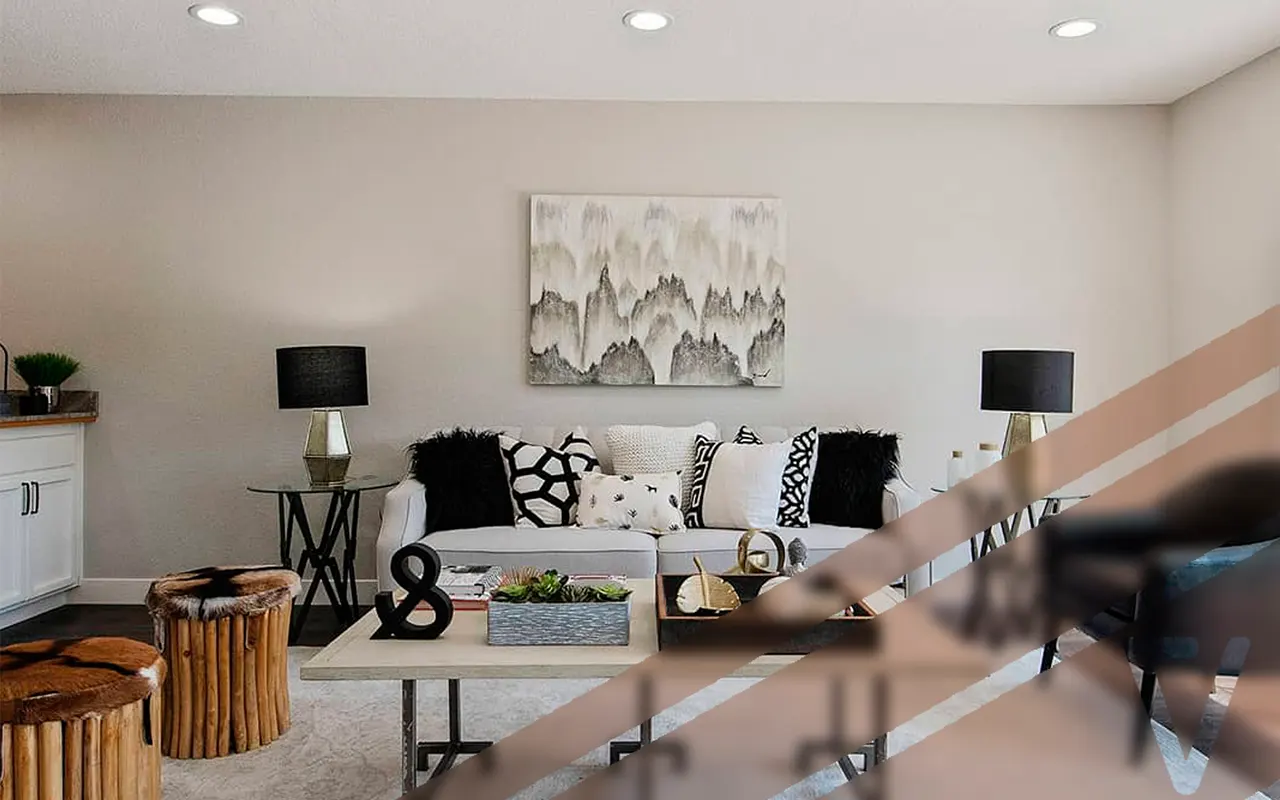
Neutral interiors are useful when a home is going to market because they reduce visual noise and make it easier for buyers to imagine their own lives in the space. The problem begins when neutral becomes indistinguishable from anonymous. A pale sofa, cream rug, blond wood table and soft abstract painting may each be perfectly appropriate, but when that combination is repeated without regard for the room around it, the staging begins to feel interchangeable.
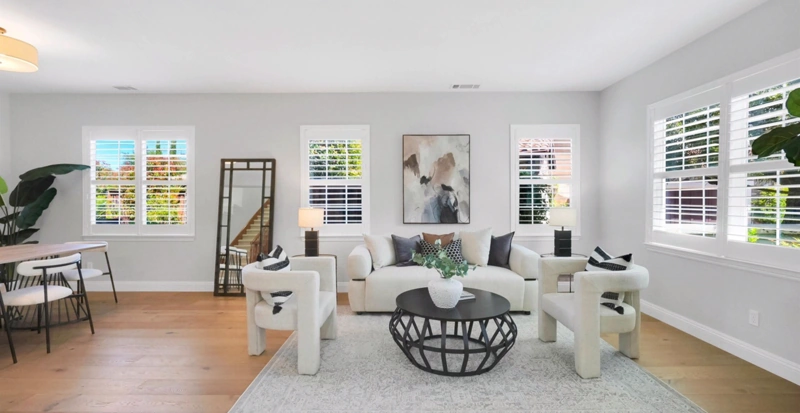
The answer is not simply to introduce louder color. What is often missing is specificity. A room may need the visual weight of darker wood, a more sculptural furniture silhouette, richer texture or artwork with enough presence to hold the wall. Those decisions should respond to the home itself. Original millwork calls for a different approach than a glassy contemporary interior, just as a formal living room may require a different degree of restraint than an open-plan family space. Professional home staging works best when it gives a room character without giving it someone else’s personality.
When the Furniture Becomes the Main Event
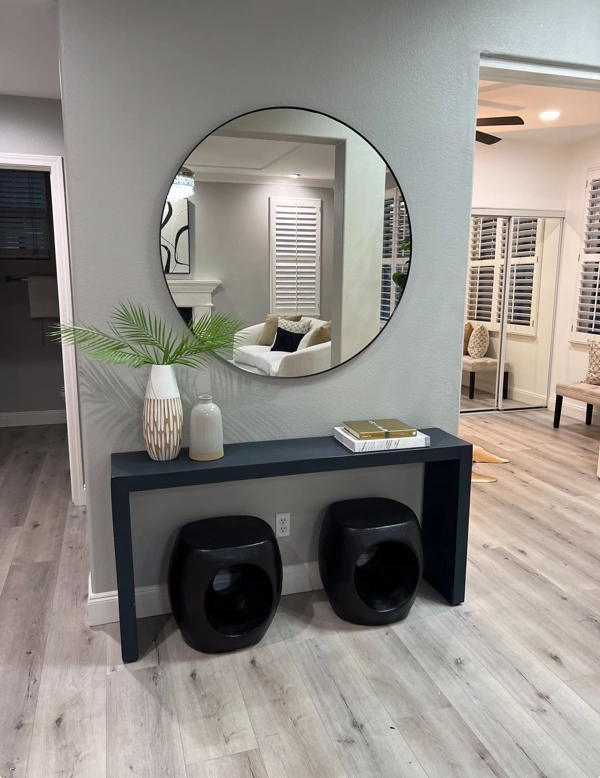
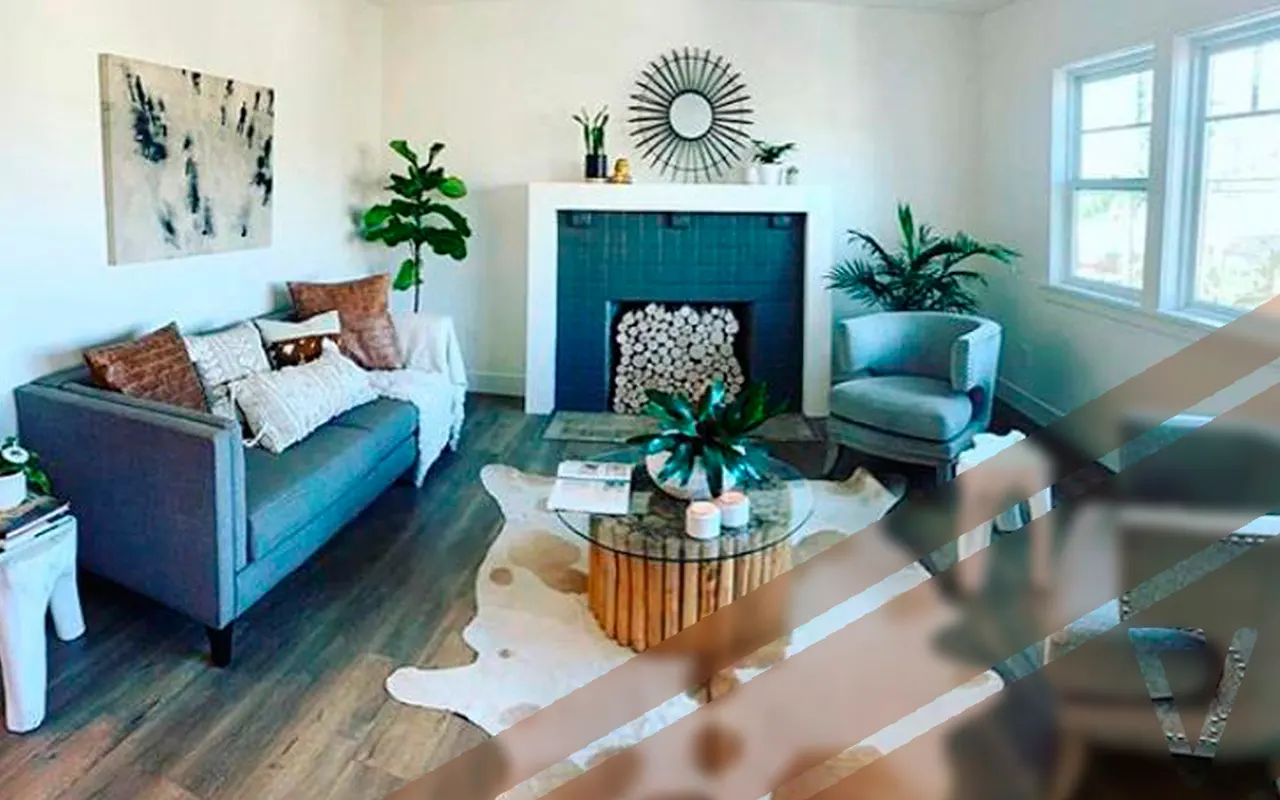
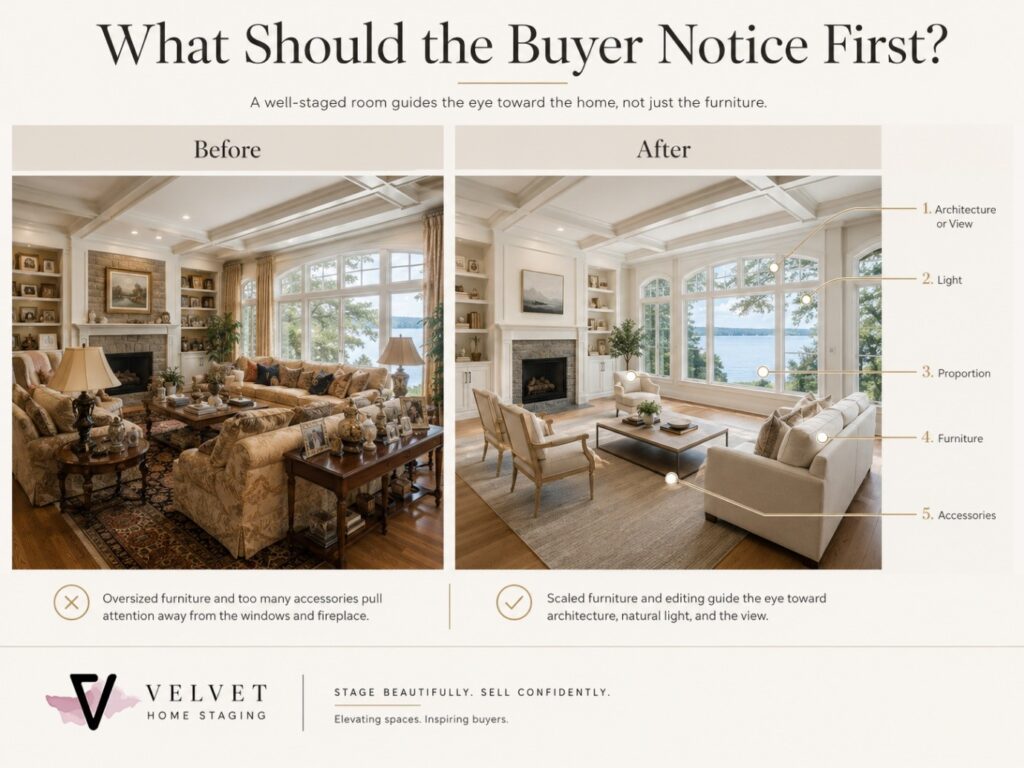
Beautiful furniture can make a room look worse when it begins to compete with the property. The issue is usually one of proportion and hierarchy. An expensive sectional can occupy too much floor. A pair of sculptural chairs may pull attention away from a fireplace. A tall console can interrupt a view that should have been the first thing a buyer noticed. None of those choices may look disastrous in isolation, but together they can make the room feel more decorated and less valuable.
Furniture should help explain the room. It should establish where people gather, where the eye should travel and which architectural feature deserves attention first. This matters particularly in East Bay homes, where much of the appeal may come from original craftsmanship, mature views, unusual ceiling lines or older floor plans with distinct rooms. In those settings, the staging should support what cannot be replaced. The house should remain the most interesting object in the room.
Architecture Should Lead
One of the quickest ways to make an expensive property feel ordinary is to stage it as though its architecture does not matter. A Craftsman should not be treated like a new condominium, just as a Spanish Revival should not receive the same visual language as a mid-century home. A contemporary build should not be softened so aggressively that the clarity of its lines disappears.
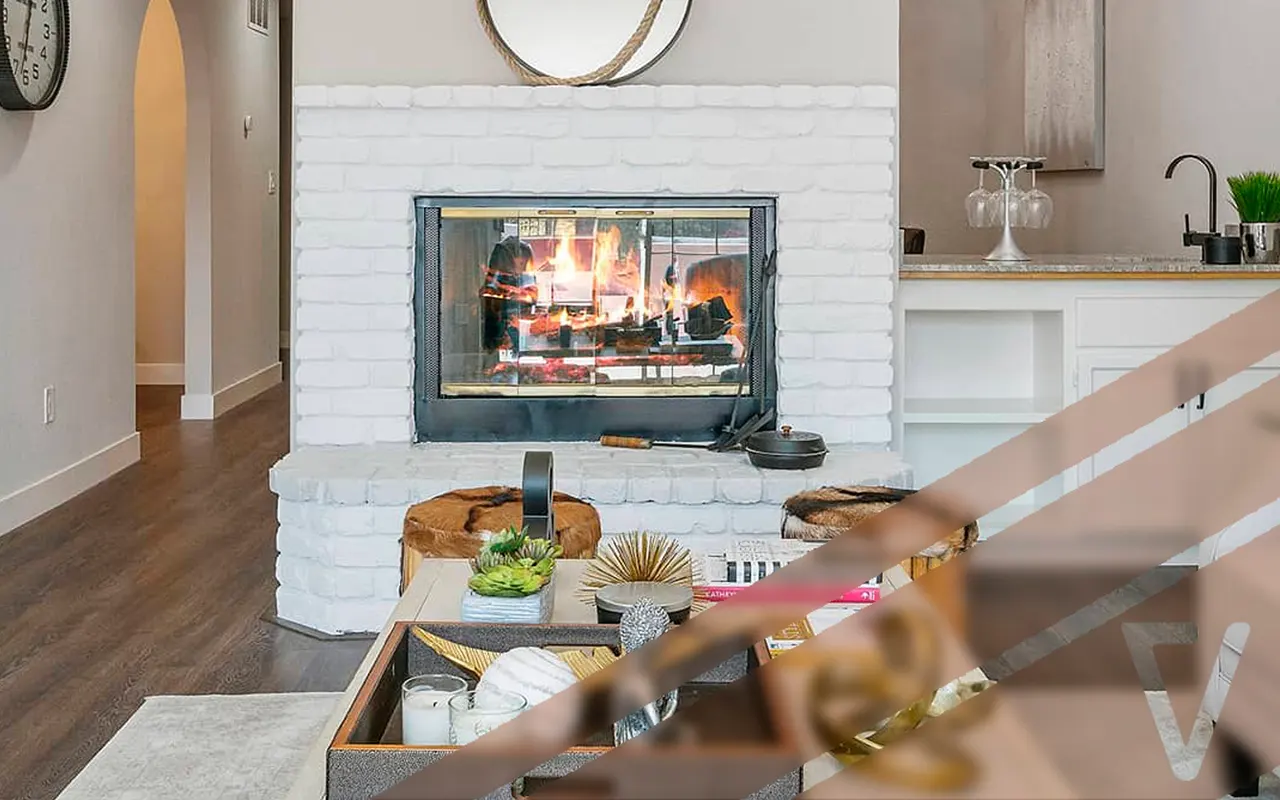
That does not mean furnishing a home like a period set. Literal matching can feel just as artificial. The stronger approach is to respond to the architecture rather than mimic it. Across the Bay Area, many homes contain several eras at once. An original fireplace may sit across from a renovated kitchen, traditional windows may frame a contemporary addition and a formal dining room may open into a newer family space. Thoughtful Bay Area luxury home staging helps those transitions feel deliberate. When the staging ignores them, the property begins to feel generic. When it acknowledges them, the home feels more coherent.
The Camera Changes the Room
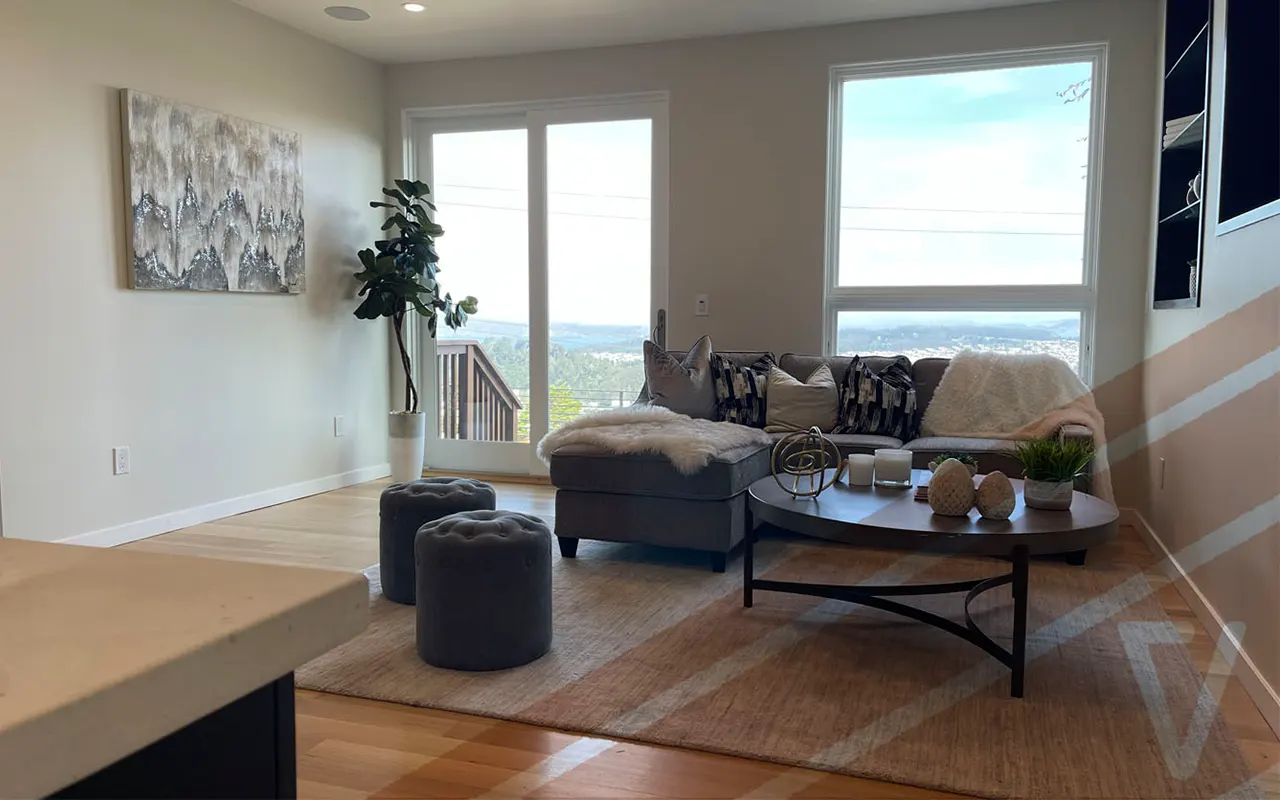
A room can look balanced in person and still appear underwhelming in a listing photograph. The camera compresses space, exaggerates clutter and changes the relationship between objects. A sofa that feels appropriately scaled while standing in the room can dominate the frame. A chair that seems harmless near a doorway may block the line of sight into the next space. An empty corner that barely registers in person can become strangely prominent in a photograph.
That changes the job of staging because, for many buyers, the first showing takes place on a screen. The room needs to work from the doorway, but it also needs to work from the photographer’s angle. Foreground and background matter, as do sightlines, depth and the amount of visual information entering a single frame. A professionally staged room is not arranged only for comfort. It is arranged so the photograph communicates scale, function and hierarchy without requiring explanation.
Restraint Is Part of the Luxury
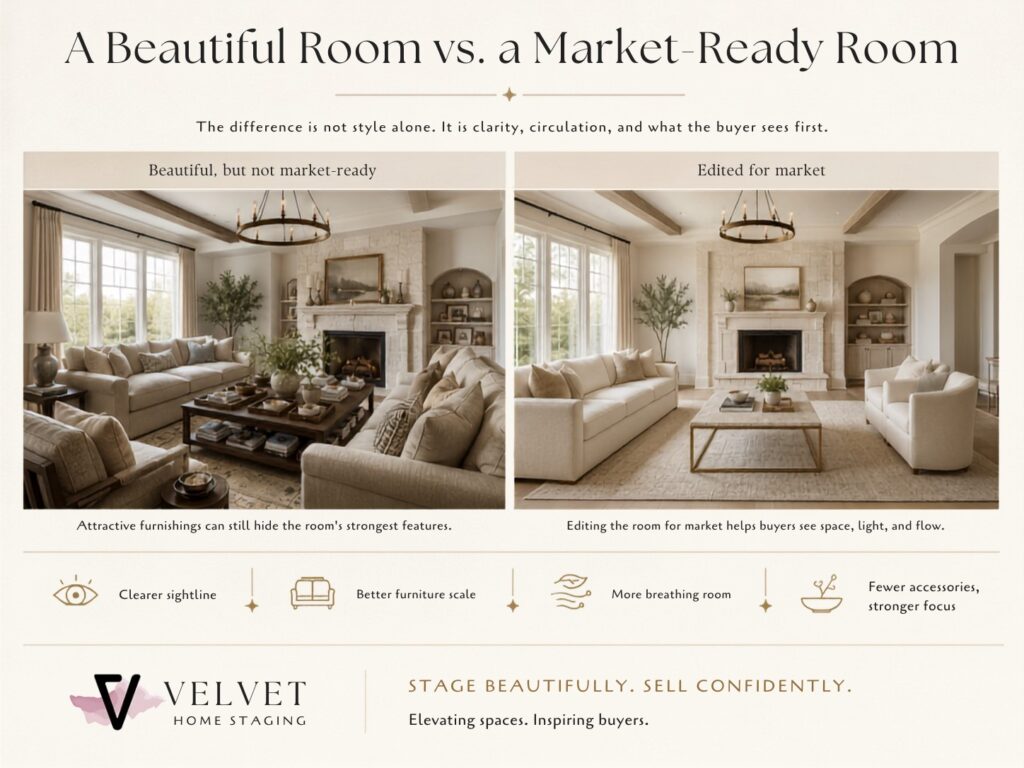
High-value homes often create a temptation to make every room feel important. That usually has the opposite effect. If every space contains statement lighting, dramatic artwork, sculptural furniture and a carefully arranged moment on every surface, the buyer has nowhere to rest. The property begins to feel styled rather than resolved, and the features that should carry the most weight become harder to distinguish.
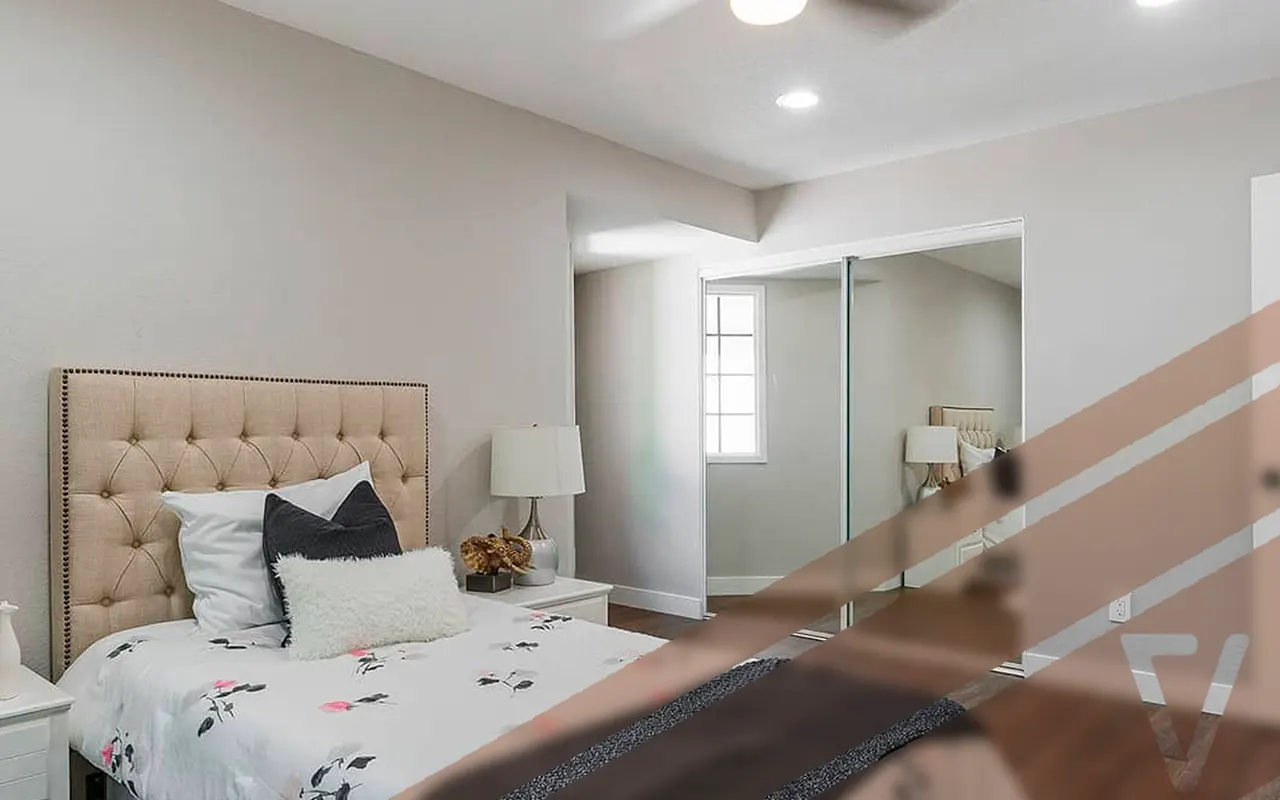
A more convincing approach creates hierarchy. Some rooms should be quiet, while others should make the strongest visual impression. The primary living space may deserve more drama, while a secondary bedroom may simply need to feel calm and complete. Restraint also gives quality room to register. With fewer objects competing for attention, materials, craftsmanship and proportion become more visible. A home does not need to be filled to feel valuable. It needs to feel intentional.
Making the Value Easier to See
The most successful staging rarely calls attention to itself. Buyers should not leave a showing thinking about the clever placement of a chair or the cost of a dining table. The rooms should simply make sense. The architecture should feel stronger, circulation should feel easier and the property should photograph with enough clarity that the features justifying the price are difficult to miss.
That is the standard we work toward at Velvet Home Staging. Our approach to luxury home staging begins with the property itself, not a preset look. We consider the architecture, the likely buyer, the strongest features and the way the home will be experienced both in person and online. For sellers and real estate professionals preparing a higher-value property for market, explore our staging services or contact Velvet Home Staging to discuss the property.