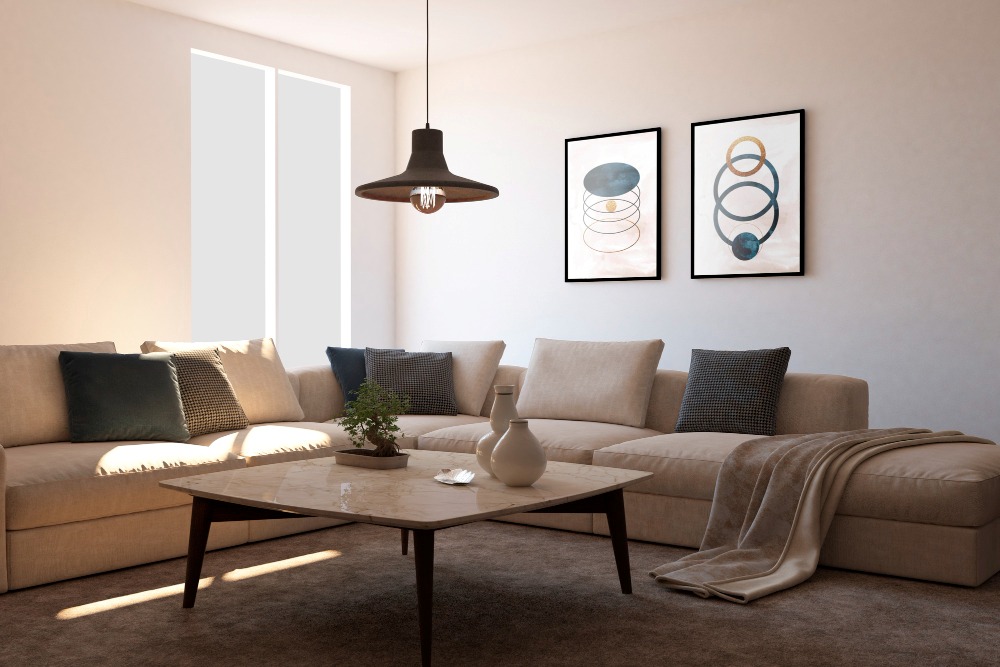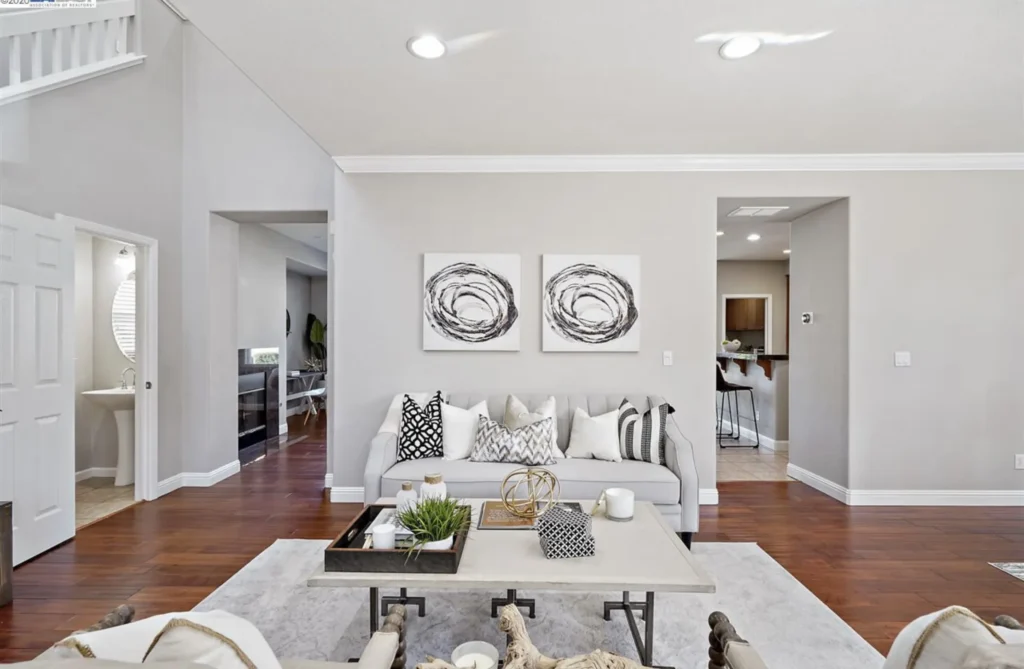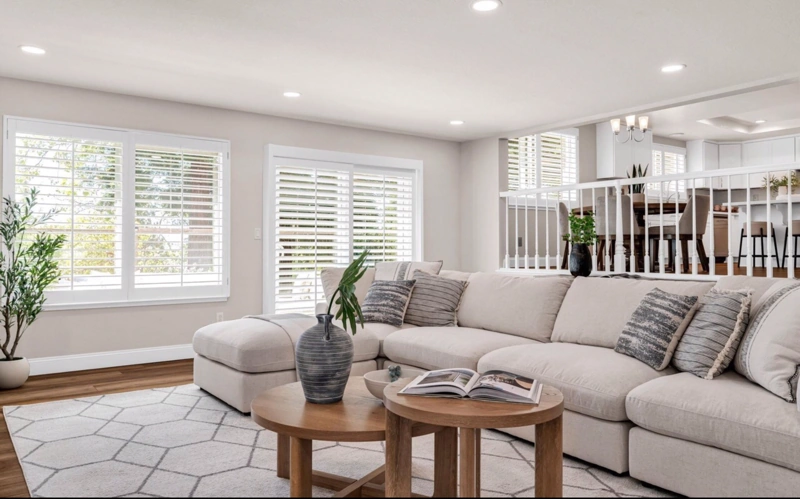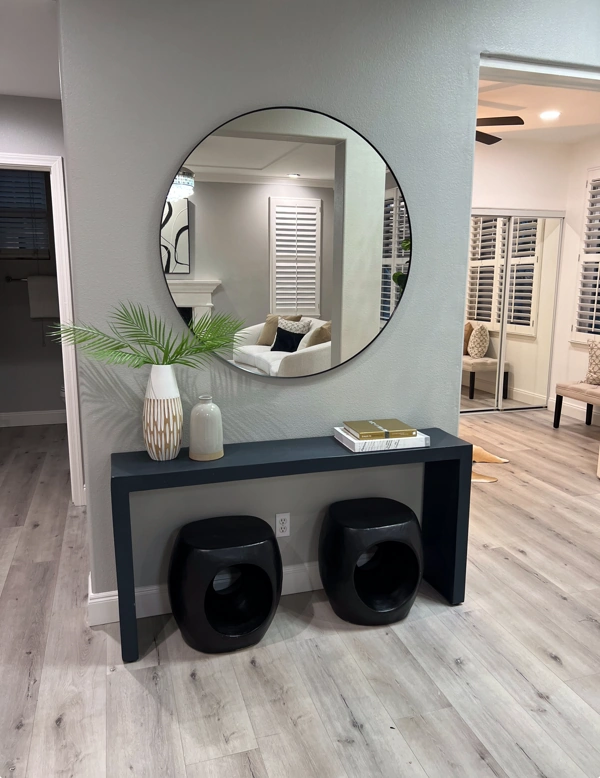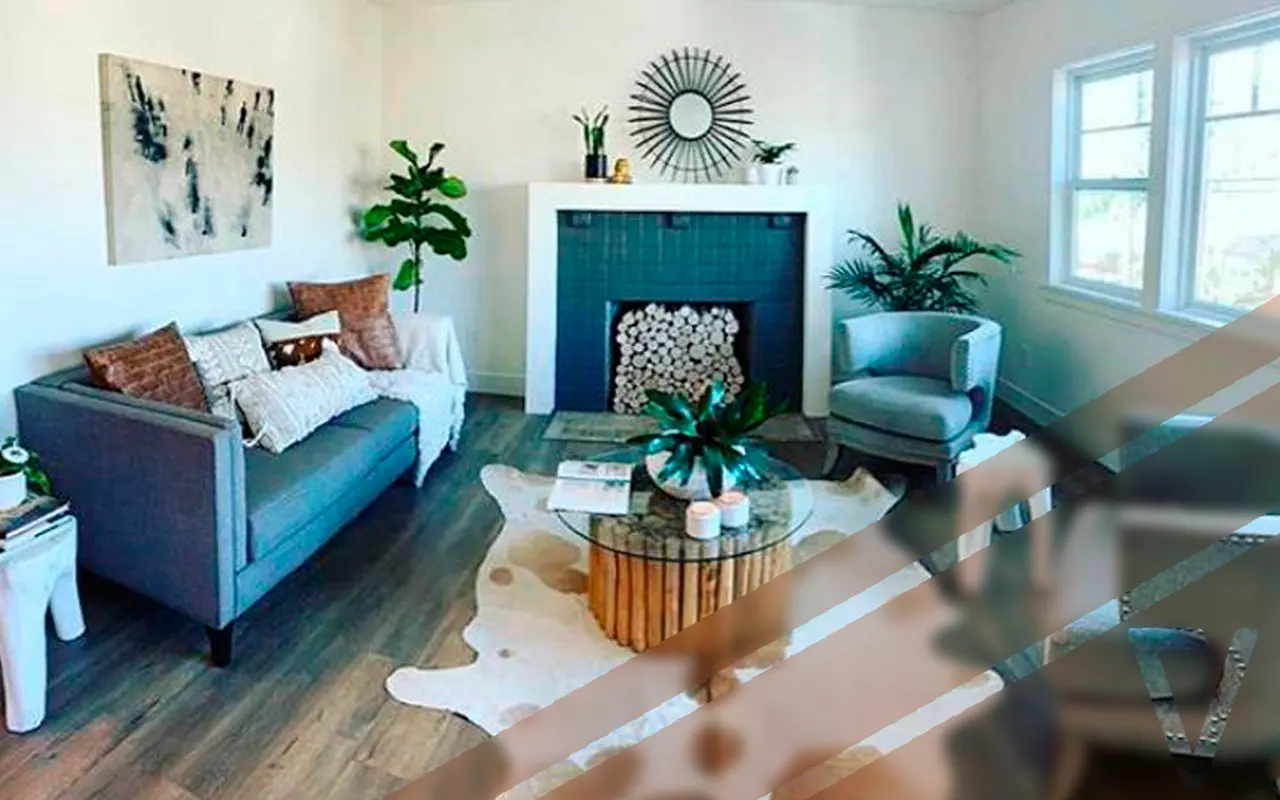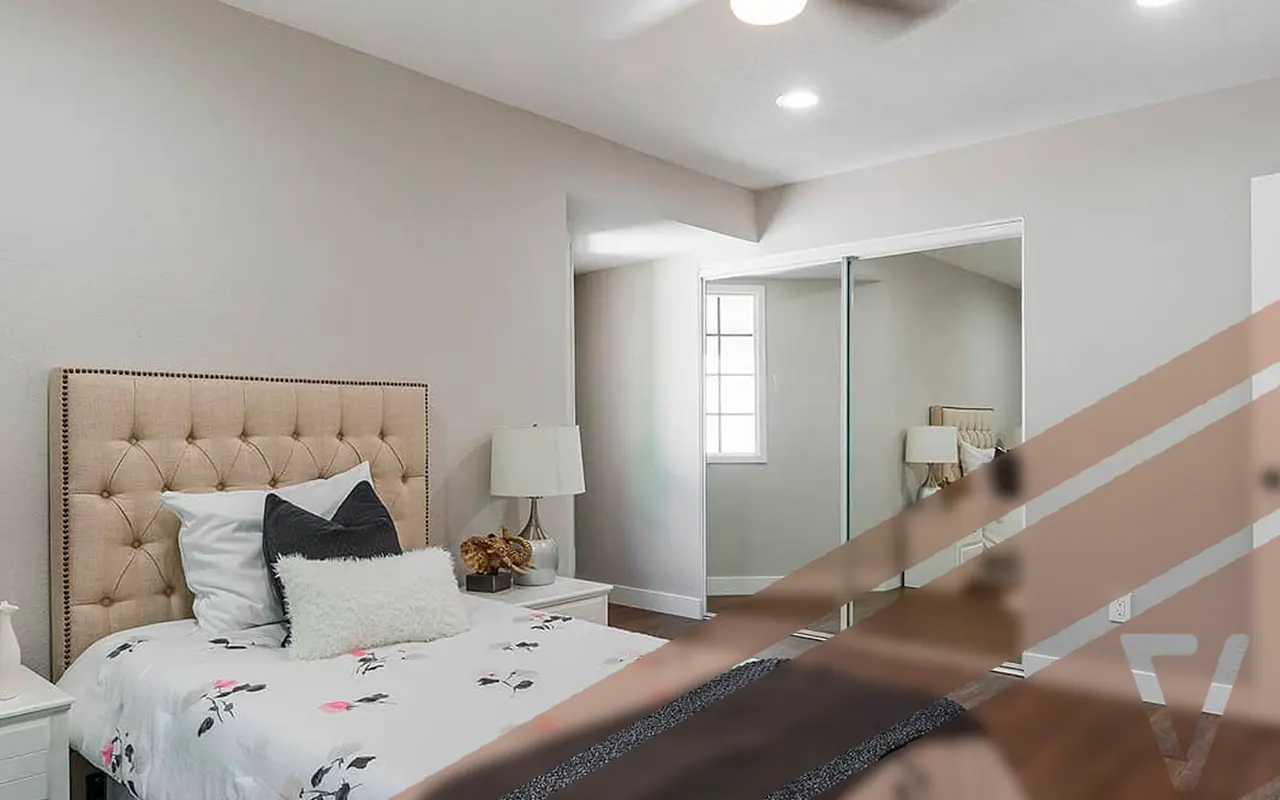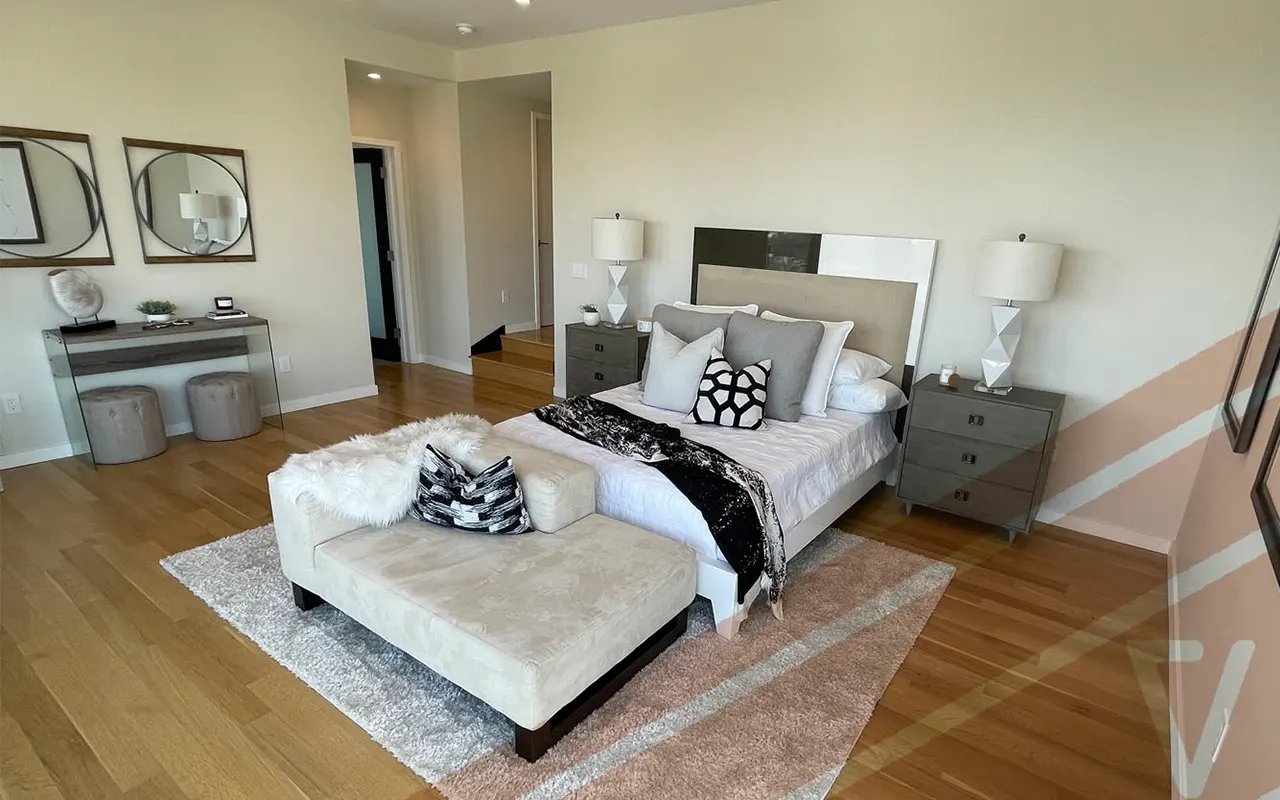

When a property has been on the market longer than expected, the first step is to find out where buyer interest is breaking down. Some homes are priced above what buyers will accept. Others have repair issues, weak photography, or rooms that are difficult to understand online. Staging can help when presentation is part of the problem.
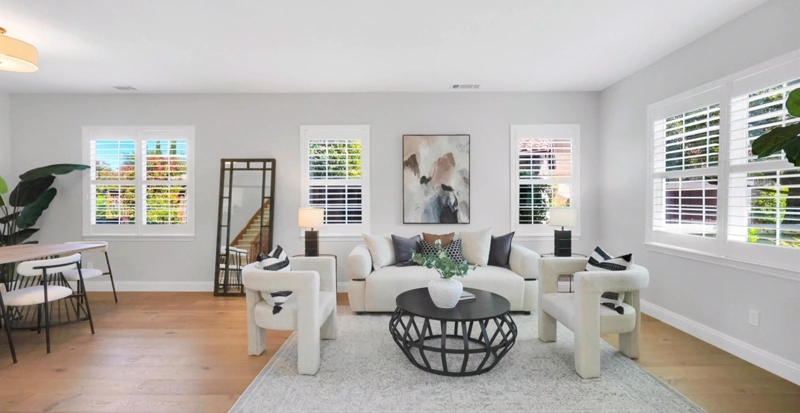
For a vacant or poorly furnished home, professional home staging can give buyers a clearer sense of scale, function, and flow. It can also support a stronger visual reset when the property is photographed again.
When staging can help a listing that has gone quiet
A home that looks confusing in photographs is a strong candidate for staging. Empty rooms provide few reference points, so buyers may struggle to judge whether a bedroom can fit a queen-size bed or whether an open area can hold living and dining furniture comfortably.
Occupied homes can have the opposite problem. Oversized pieces, crowded surfaces, personal collections, or a layout built around the current owner’s routines can make rooms feel tighter.
Professional home staging can address those issues with appropriately scaled furniture and a layout that supports the property’s strongest features. In the National Association of Realtors’ 2025 Profile of Home Staging, 83% of buyers’ agents said staging made it easier for buyers to visualize a property as a future home. That is a survey finding, not a promise that staging will produce an offer.
Look at the feedback before changing the furniture
Before restaging, review what buyers and showing agents have said. Repeated comments are more useful than a vague sense that the listing needs a refresh.
If buyers consistently object to price, condition, traffic noise, or another fixed issue, staging is unlikely to solve the main problem. Presentation feedback sounds different. Buyers may say a room feels small, an open floor plan is hard to understand, a vacant property feels cold, or the furnishings look dated. Those are problems home staging services can address directly.
The seller and agent should also compare the listing with similar homes that have recently attracted stronger interest. Photos, room layouts, condition, and pricing can reveal whether presentation is one of the weaker parts of the listing.
How staging can change the presentation of a stale listing
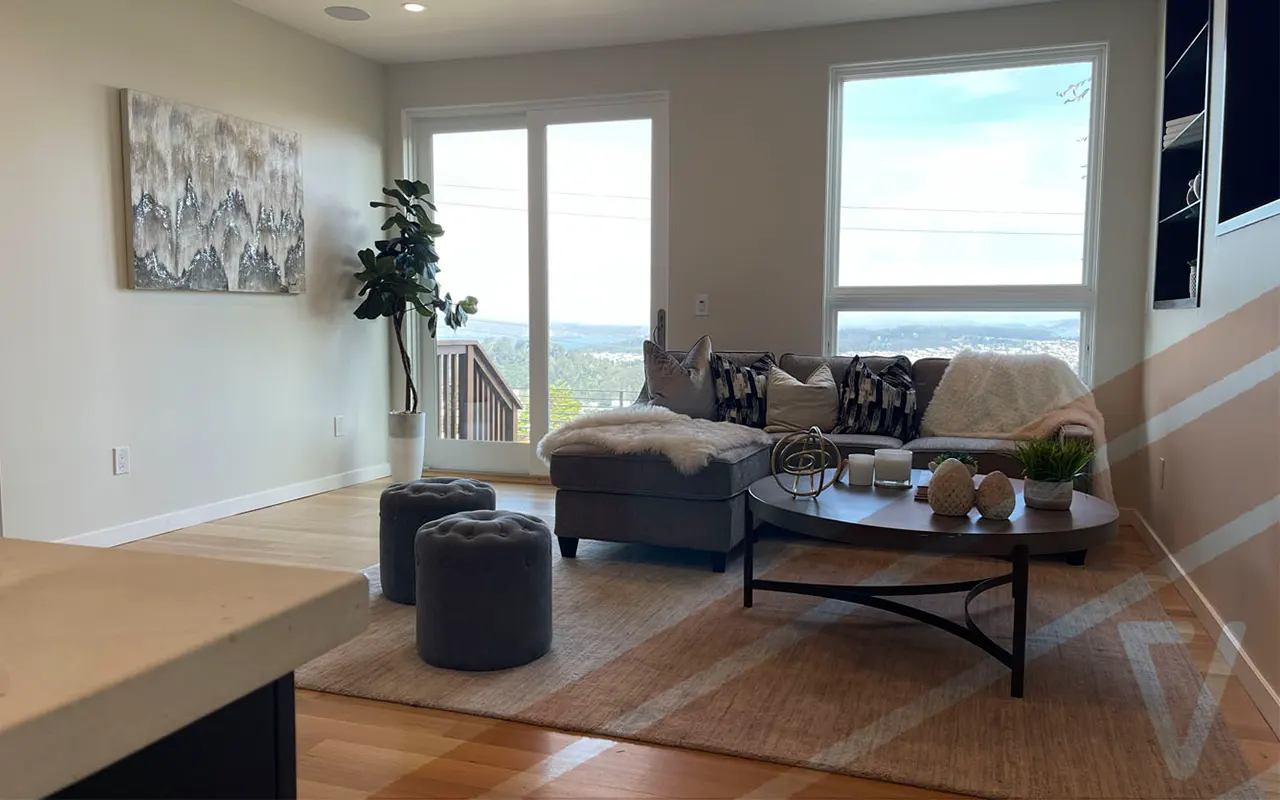
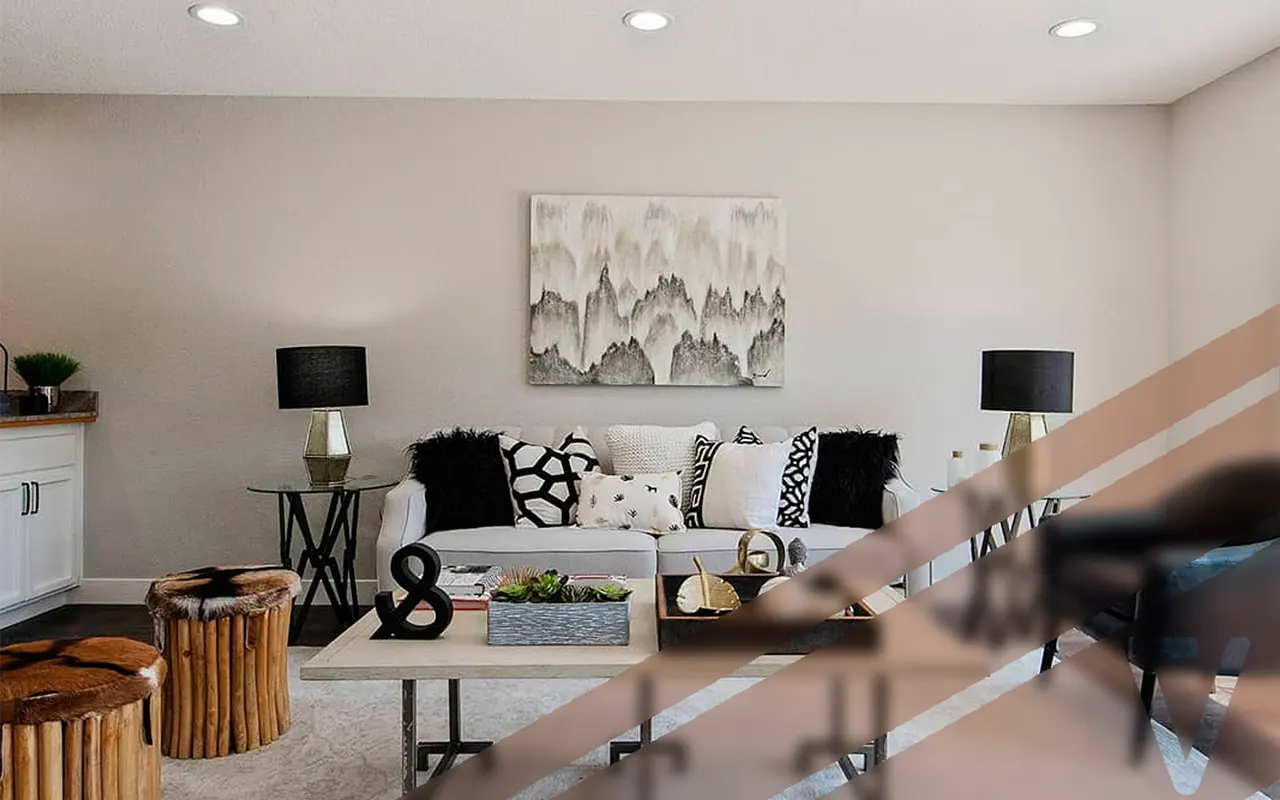
Staging gives important rooms a clear purpose. A sofa and chairs establish the usable width of a living room. A properly scaled dining table can show that an open area has enough space for meals without blocking circulation. A bed with suitable nightstands makes bedroom proportions easier to judge.
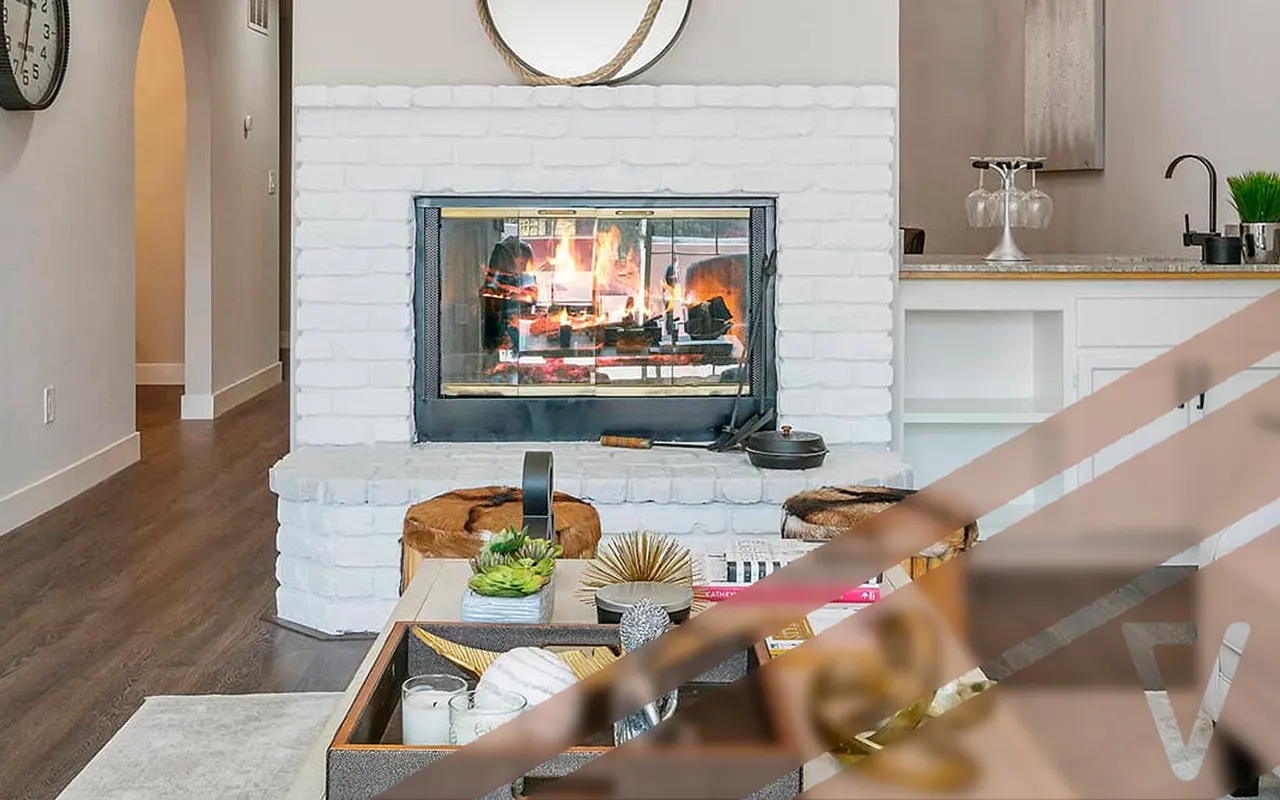
The change carries into listing photography. Buyers comparing properties online often decide which homes deserve a showing before they visit. Furniture gives photographs scale and context that empty rooms may lack.
Industry research has also found that some listing agents associate staging with reduced time on the market. That relationship should be interpreted carefully. Pricing, property type, market conditions, photography, and marketing all affect how long a home takes to sell. Staging is most useful when the existing presentation is making the property harder to understand or less appealing than competing listings.
Should you restage and take new listing photos?
If staging materially changes the rooms, the listing photos should usually change too. Leaving old vacant or poorly furnished images online limits the value of the work because many buyers will encounter the property first through those photographs.
Coordinate staging with the agent and photographer so the home is photographed after furniture, artwork, rugs, and accessories are in place. The agent can also review the lead image, photo order, and property description.
New photography does not erase a property’s market history. It can, however, give buyers who previously passed over the listing a better view of the home.
Focus the staging budget on the rooms buyers notice most
A slow listing does not automatically need furniture in every room. If the budget is limited, concentrate on spaces that shape the overall impression and any room buyers have found difficult to understand.
Living rooms, primary bedrooms, and main kitchen or dining areas usually deserve the most attention because they help buyers judge how the home functions day to day. A secondary bedroom may need less work if its purpose and proportions are already obvious.
For East Bay home staging, the design should respond to the property. A compact Oakland condo, a Berkeley Craftsman, and a larger suburban home should not receive the same furniture scale or layout.
Velvet Home Staging considers architecture, natural light, room proportions, finishes, and how buyers will move through the property. The same property-specific approach applies to Oakland home staging for vacant and occupied listings.
A slow listing may need more than staging
Staging works on presentation. It does not change the home’s location, repair needs, carrying costs, or the price buyers see beside comparable properties.
The seller and agent should also review pricing, showing feedback, photography, property condition, online listing performance, and competing homes. If several areas need attention, a relaunch may combine staging with new photos, repairs, revised marketing, or a pricing adjustment.
When the main weakness is visual presentation, staging can give buyers better information about the space and improve how the property appears online and in person.
If your East Bay property has been sitting on the market and presentation may be contributing to the problem, Velvet Home Staging can assess the existing setup and recommend a plan suited to the home. We stage vacant and occupied properties throughout the Bay Area, with flexible options including 60-day staging agreements. Contact Velvet Home Staging to discuss your property and timeline.
Frequently Asked Questions
Can staging help a home that has already been listed for several weeks?
Yes, when presentation is contributing to low interest. Staging can clarify room size, function, and layout, especially in vacant homes or properties with furnishings that do not suit the space. Price and condition should be reviewed at the same time.
Should I stage a vacant house that isn’t selling?
Vacant homes can benefit when buyers have trouble judging scale or imagining how rooms will be used. Furniture provides reference points and can make listing photographs easier to understand.
Do I need to stage the entire house?
Not always. Prioritize the living room, primary bedroom, main dining or kitchen area, and any room with an unclear purpose. Secondary bedrooms may not need full staging.
Should I take new listing photos after staging?
Usually, yes. If staging changes the rooms, new photographs allow online buyers to see the improvement. Schedule photography after installation is complete.
What if staging does not solve the problem?
Review other factors affecting the listing, including price, condition, repairs, photography, marketing, and comparable properties. Staging can improve presentation, but it cannot correct every reason a home remains on the market.