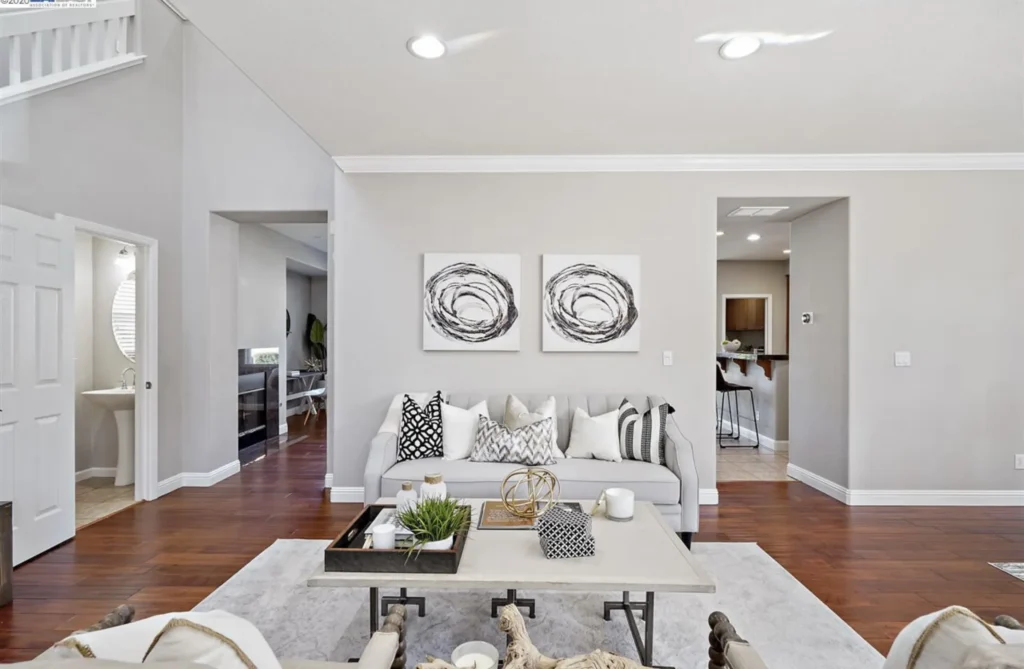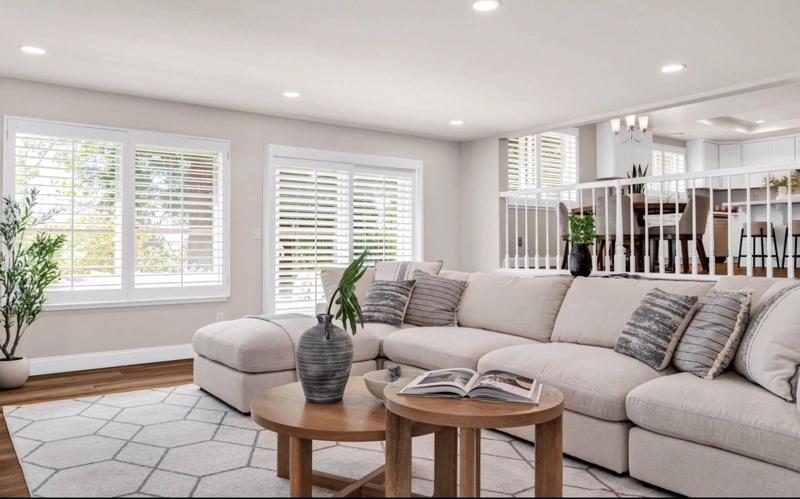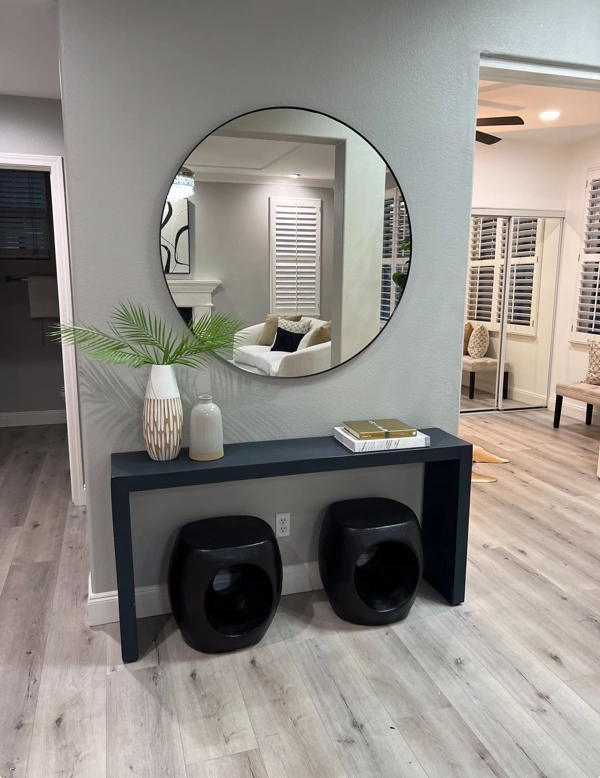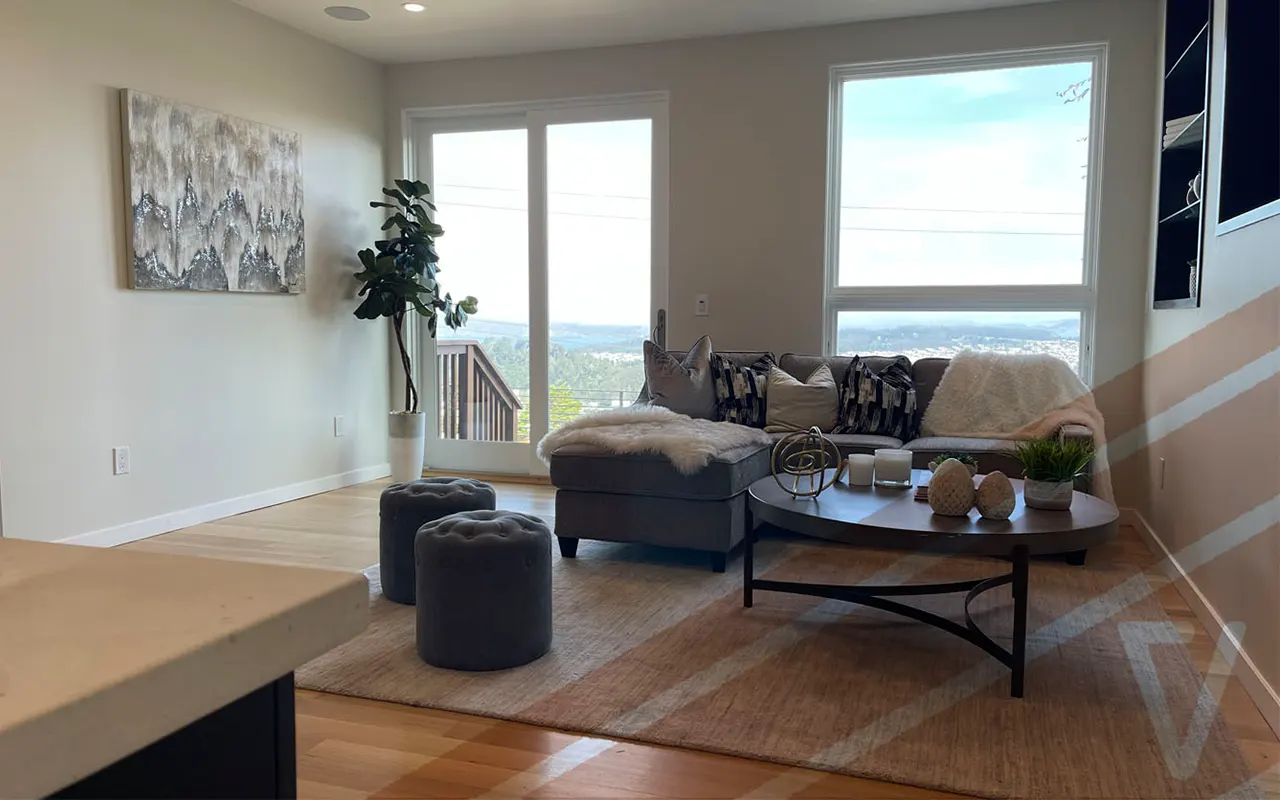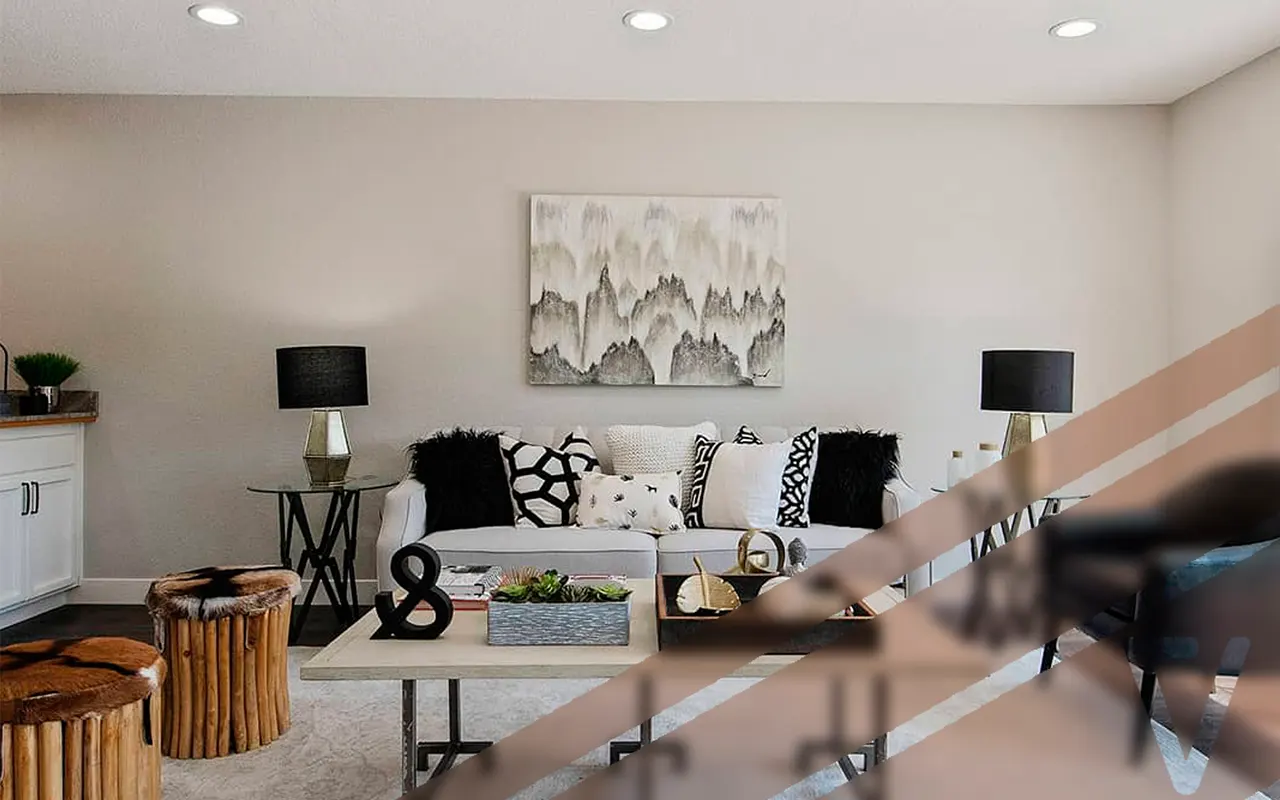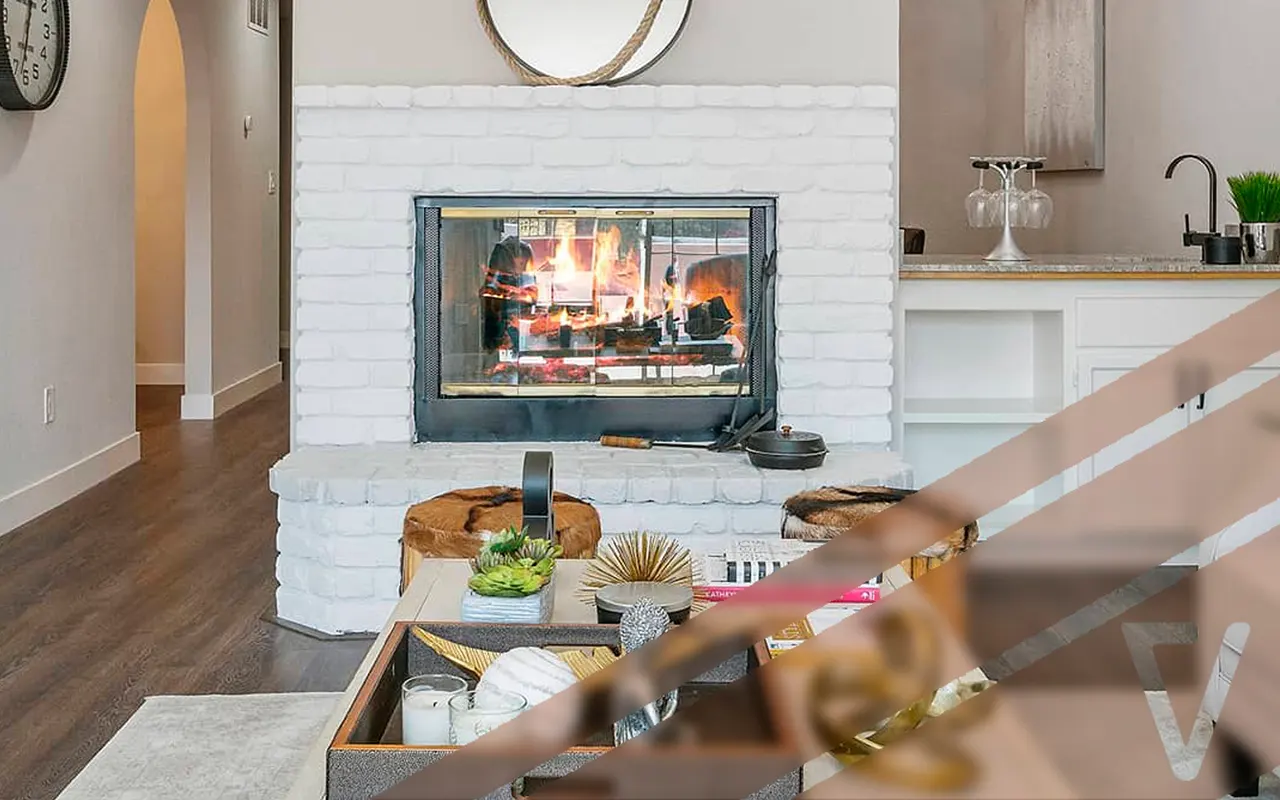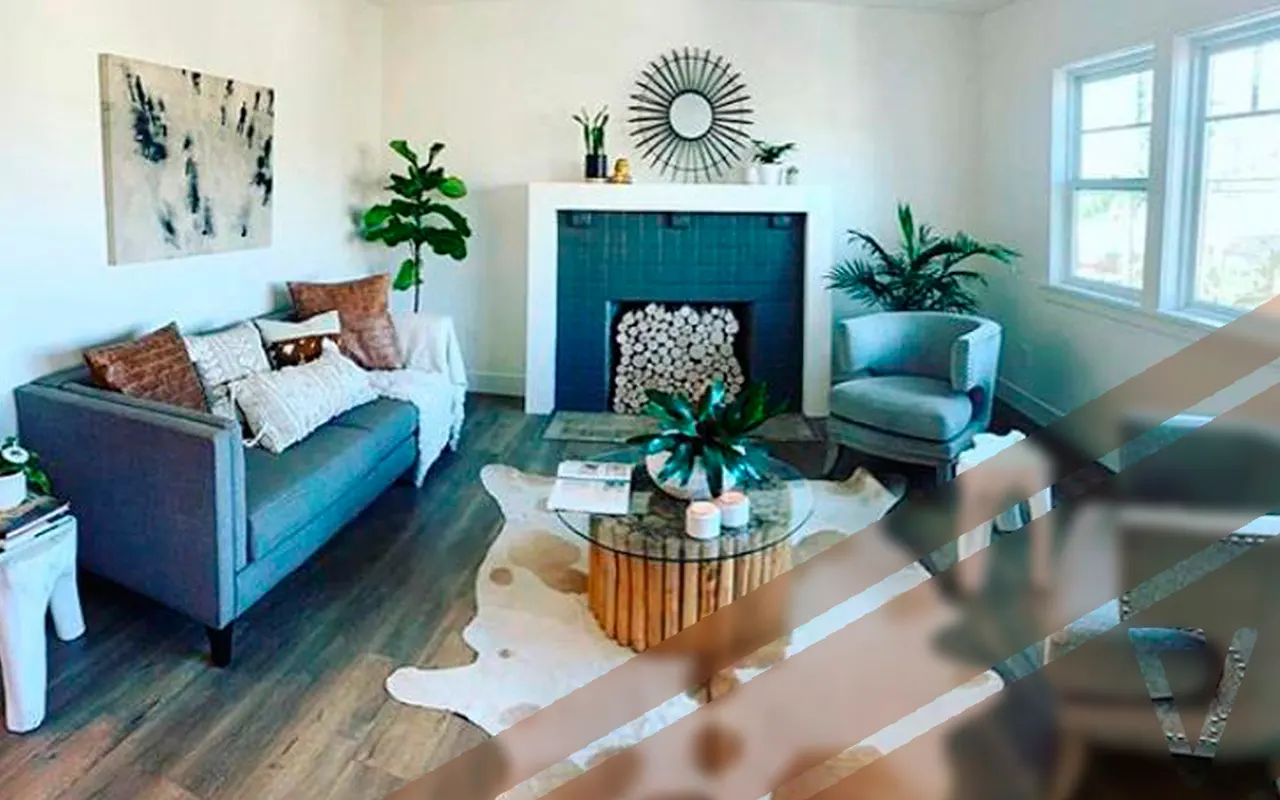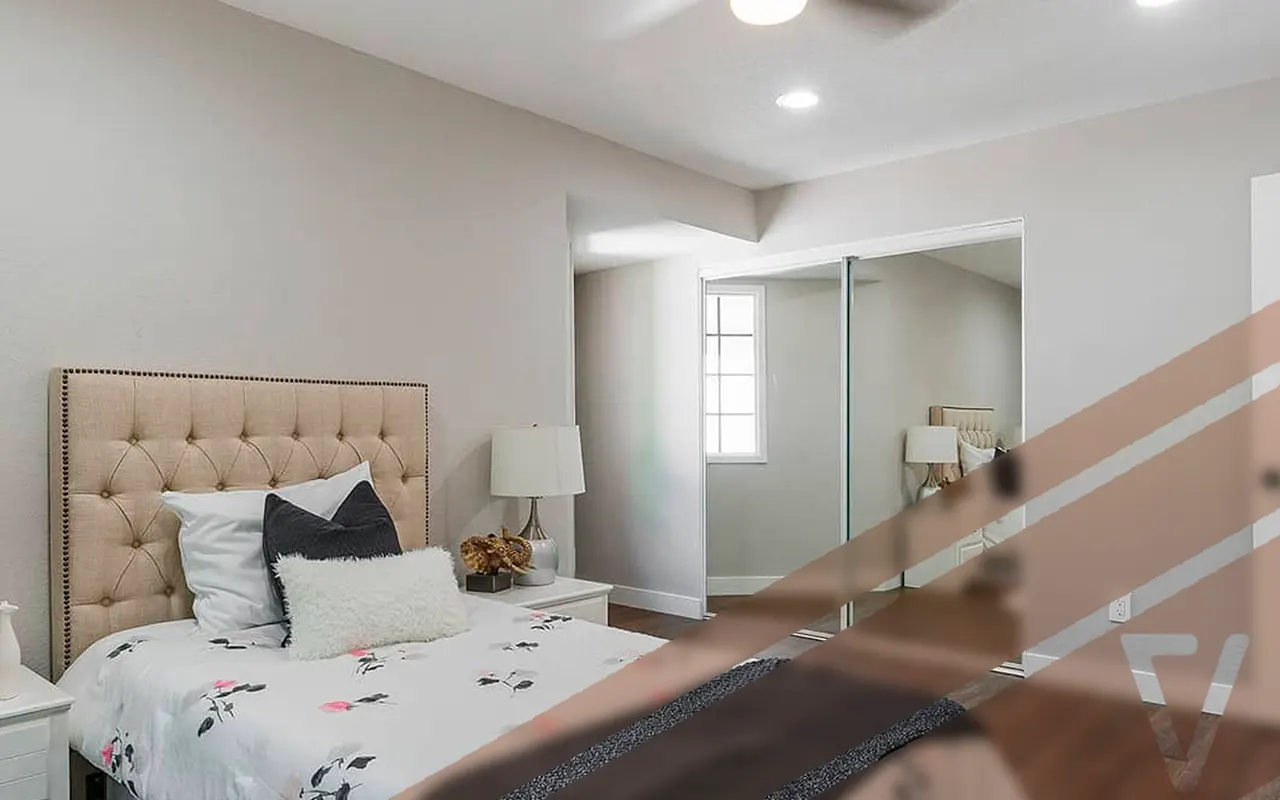

A vacant California home can look clean and open, but empty rooms rarely sell the full story. Without furniture, lighting, texture, and scale, buyers may struggle to understand how the home lives from day to day. Staging gives each space a clear purpose and helps the property feel warm, usable, and ready for its next owner.
That matters because home staging is not just decoration. The National Association of Realtors defines staging as presenting a property in a way that highlights its strengths and helps buyers see themselves living there. NAR’s 2025 staging research also notes that the living room, primary bedroom, and dining room are among the most commonly staged rooms.
Why Vacant Homes Need Staging Before Listing
Vacant homes often leave too much work for the buyer’s imagination. A blank living room can feel smaller than it is. An empty bedroom may look cold. A dining area without furniture can seem like wasted square footage.
Good staging solves those problems by creating context. It shows buyers where to sit, gather, work, rest, and entertain. It also adds proportion, so buyers can judge whether a room fits a sofa, bed, table, or desk.
For sellers preparing an empty property, professional home staging for vacant homes can help turn unused space into a more complete buying experience.
Start With the Rooms Buyers Notice First
Not every room needs the same level of attention. In a vacant home, the strongest return usually comes from staging the spaces buyers care about most.
Focus first on:
- Living room
- Primary bedroom
- Kitchen
- Dining area
- Entryway
- Outdoor living space, when available
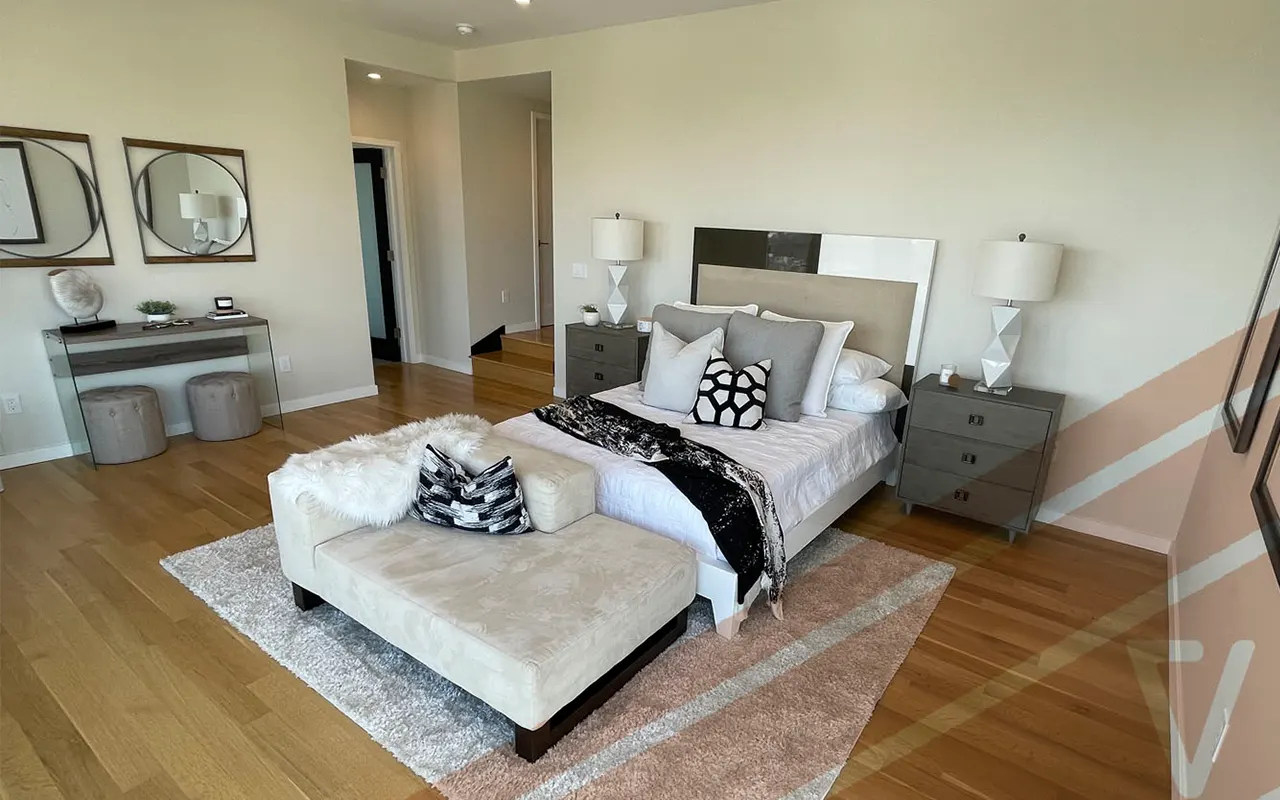
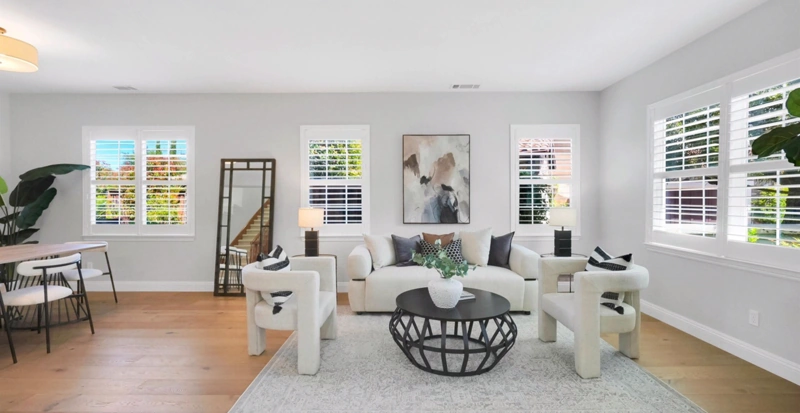
A staged living room should feel comfortable without looking crowded. A primary bedroom should feel calm, clean, and restful. A kitchen should look bright, organized, and ready to use.
Use California Lifestyle Cues
California buyers often respond to homes that feel bright, relaxed, and connected to the outdoors. That does not mean every property needs coastal decor or trendy furniture. It means staging should reflect how people actually want to live in the state.
For many homes, the right details include:
- Light wood tones
- Soft neutral upholstery
- Natural textures
- Greenery
- Simple artwork
- Clean window treatments
- Patio or balcony furniture
- A flexible work-from-home area
Home staging in the Bay Area may also need to account for smaller footprints, open layouts, tech-worker lifestyles, and buyers who value flexible rooms. A small bonus space can become a home office. A narrow balcony can become a morning coffee spot. These choices help buyers read the home as livable, not just available.
Make Every Room’s Purpose Obvious
A vacant room without a clear purpose can raise doubts. Is it a bedroom, office, den, nursery, or storage area? Buyers should not have to guess.
Staging answers those questions at a glance. In an open-concept home, rugs can define the living and dining areas. In a small room, a desk and chair can create a practical office. In a large primary suite, a bench, nightstands, and layered bedding can make the space feel complete.
Useful staging choices include:
- Placing furniture to support natural traffic flow
- Using appropriately scaled pieces
- Leaving enough open space around major walkways
- Defining awkward corners with useful functions
- Keeping surfaces clean and uncluttered
The best staged vacant homes feel easy to understand. Buyers walk in and know what each space is for.
Stage for Listing Photos First
Most buyers see a home online before they visit in person. That makes listing photos one of the most important parts of the selling process. Empty rooms can look flat on camera, especially if the walls, floors, and ceilings are similar in color. Staging adds depth and focal points.
Before photography, check each room from the camera’s point of view. Ask these questions:
- Does the room have a clear focal point?
- Does the furniture make the space feel larger or smaller?
- Are cords, tags, bins, or cleaning supplies visible?
- Does the room feel warm without looking busy?
- Is natural light being used well?
Staging should support the photo, not compete with the home.
Use Before-and-After Proof
Vacant staging can be hard to understand until people see the transformation. Before-and-after examples of real estate staging help sellers compare an empty room with a finished one. They also show how furniture placement, scale, color, and lighting can change the way buyers read a space.
Quick Vacant Home Staging Checklist
Before listing a vacant California home, review these steps:
- Clean windows and let in as much natural light as possible.
- Stage the living room, primary bedroom, and kitchen first.
- Define open spaces with rugs and furniture groupings.
- Use warm neutral colors and natural textures.
- Add lighting where rooms feel dim.
- Keep artwork simple and properly scaled.
- Stage patios, decks, or balconies when they add lifestyle value.
- Create a home office or flex space when the layout allows.
- Remove anything that distracts from the room.
- Prepare each space with listing photos in mind.
Frequently Asked Questions
Is it worth staging a vacant home in California?
Yes. Staging a vacant home in California is often worth considering because it helps buyers understand room size, layout, and lifestyle potential. In competitive markets, presentation can influence whether a buyer books a showing or moves on to another listing.
What rooms should be staged first in a vacant house?
The best rooms to stage first are the living room, primary bedroom, kitchen, dining area, and entryway. These spaces shape the buyer’s first impression and help explain how the home functions.
How do you make an empty house feel move-in ready?
Use warm neutral furniture, clean surfaces, soft bedding, rugs, lighting, greenery, and simple artwork. Each room should have a clear purpose and enough open space to feel comfortable.
Does staging help with real estate photos?
Yes. Staging gives listing photos depth, scale, and visual interest. Furnished rooms usually help buyers understand size and layout faster than empty rooms.
What is the best style for staging a California home?
A warm, neutral, California casual style works well for many homes. Light woods, soft fabrics, natural textures, and simple decor can make the space feel relaxed, bright, and easy to live in.
Preparing a vacant California home for sale? Work with Velvet Home Staging to create a warm, move-in-ready presentation that helps buyers understand the space from the first photo to the final showing.